
scranfaire V
Literary scran

We have to eat. A lot of writers forget that. Their instinct is to fly elevated and, without fail, sound like a stoner high on weed. Or they will sound like a drunken bar wench proclaiming her latest “ideas,” which to anyone sober sounds like a horse pissing in their face.
But people can so easily be fooled with this flighty language. Unlike a hog that will just ignore a farmer while he quotes the Bible, a human being will look up from its slop because the words “sound so good.” They drink that hot piss and say, “Neat! Yummy!”
I love pigs because they eat their food and waddle back off to the field. But a person, without the least understanding will think, WOW, and stay buffering there in that feeling of stupor over some lofty sounds. Henry Miller’s prose starts soaring into the clouds and Bukowski just wishes he would stick to “writing about fucking.”
I sometimes feel serious people get a little too far out, too.
I’m a little piggy in literature. I like a food line. As it happens, I remember food far after the themes and plots have faded away. Some books I remember not a single thing besides a dish of glazed carrots. Doesn’t John the Baptist eat locusts and honey? He does? Well, you can keep god and all the rest.
Come to think of it, Henry Fielding was not above a scran reference. Nor was Charles Dickens. Nor was Shakespeare, Thomas Hardy, Chaucer, Thomas Mann, Rabelais, and, jesus, even Proust. When I am writing I forget, while impotently trying to make a point, that there are things as simple as rain. And I get so excited about the idea of rain that my “point” is washed away.
Thankfully, or regretfully, the stomach never lets us forget it needs filled.
So I will spare you great wisdom and philosophy of the ages and share some humble literary scran for the HOLIDAYS 😉
ATHOL BROSE
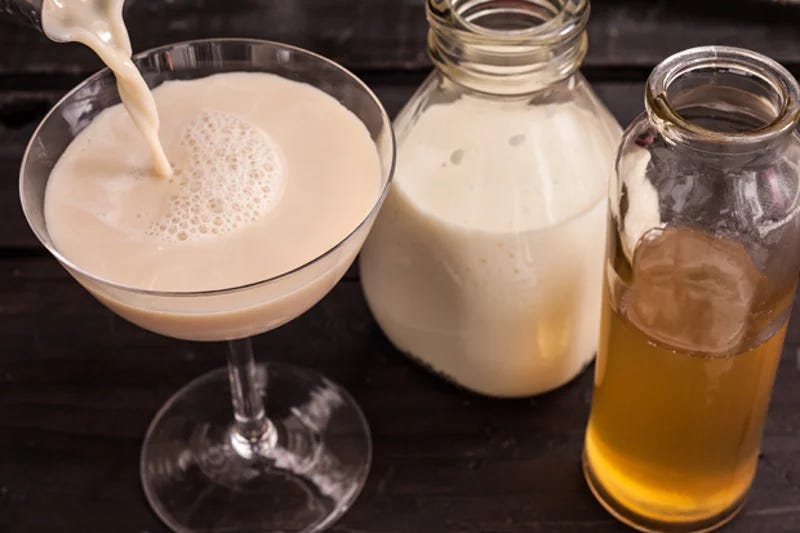
From The Holly Tree which is a Christmas book of Dickens (and other contributors such as Wilkie Collins) that I had forgotten existed. The theme is an exploration of great inns and this concoction is featured in Scotland. It is a mixture of strained oatmeal brose, honey, heavy cream, nutmeg, and one part scotch.
ROASTED WOODCOCK
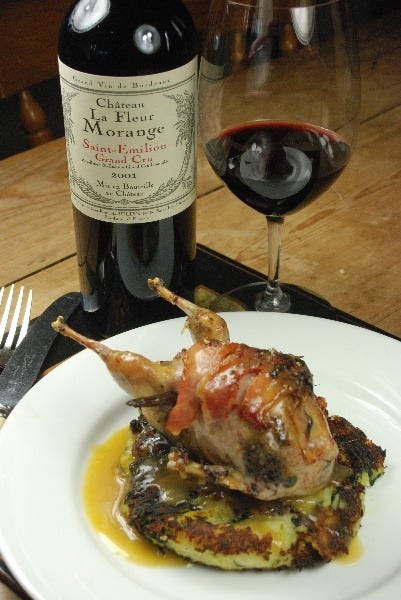
Mentioned by Sherlock Holmes in ‘The Adventure of the Blue Carbuncle” as the item Mrs. Hudson will prepare for the evening dinner. One of my most treasured Christmas stories whether read alone or performed by the great Jeremy Brett.
SHERRY FLIP
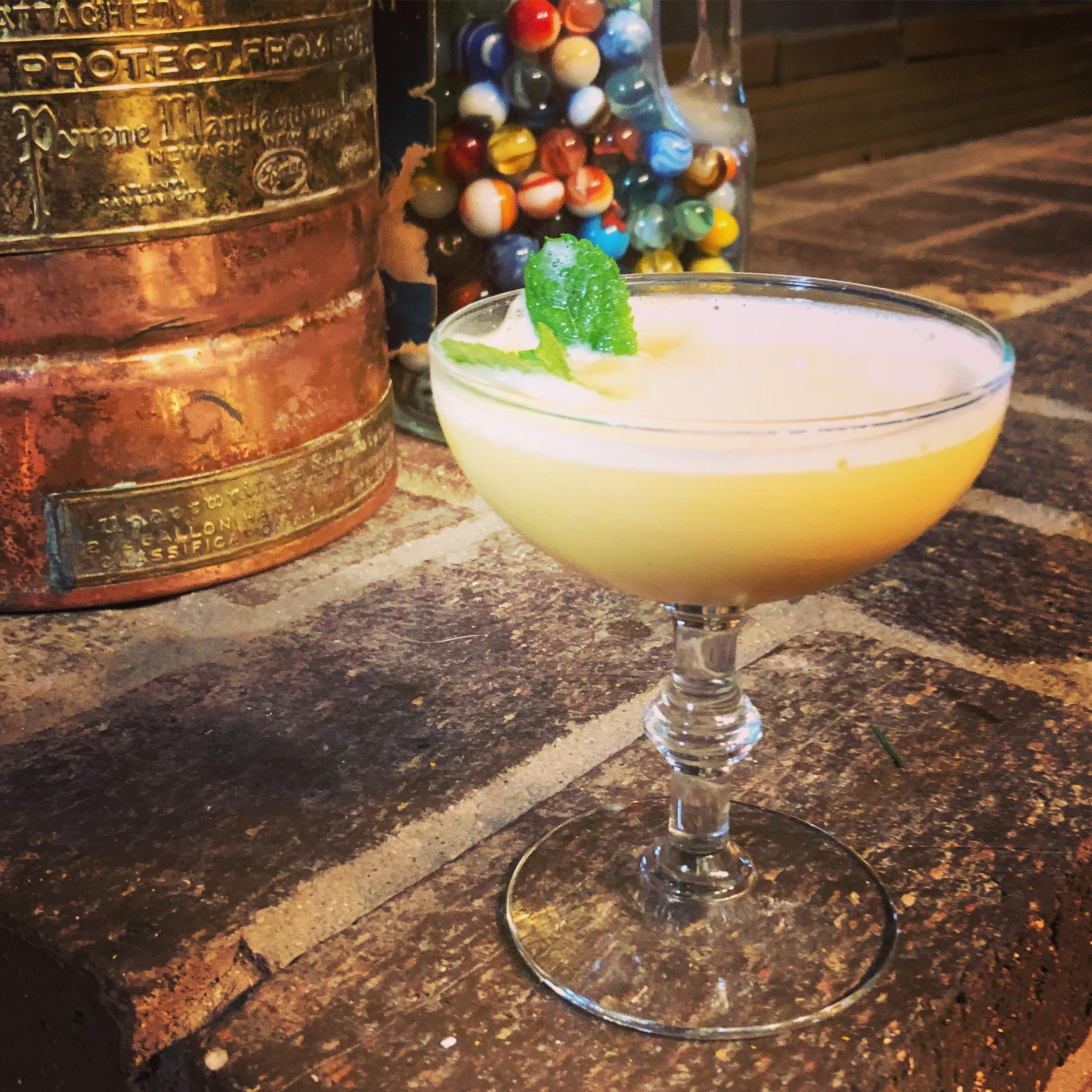
In the underappreciated Dombey and Son Cousin Feenix tells of this cure for depression. It is “the yolk of an egg, beat up with sugar and nutmeg, in a glass of sherry, and taken in the morning with a slice of dry toast.” To cheer himself, Dickens would drink these during intermissions at his popular public readings.
LEG OF MUTTON STUFFED WITH OYSTERS
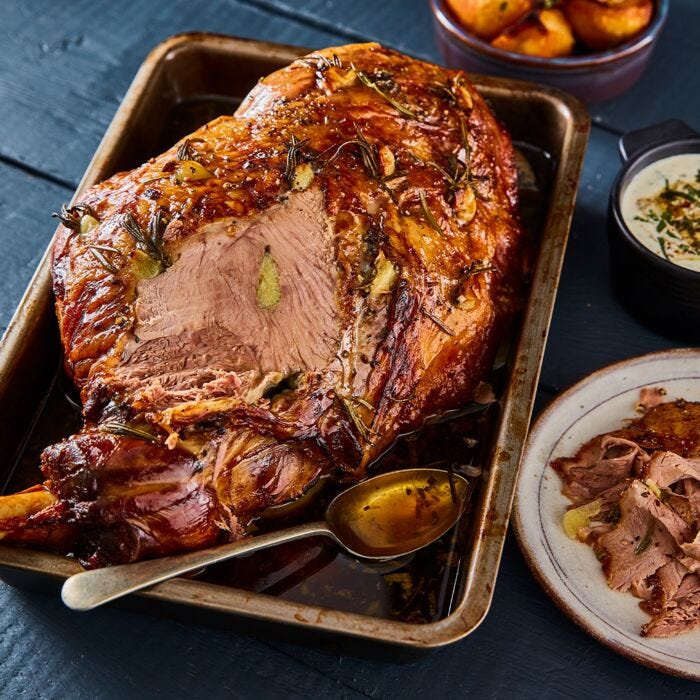
Prepared by Miss Rugg in Little Dorrit. Dickens also shared this roasted favorite one night (stuffed with 6 oysters, cleaned, shucked, and chopped and a spoons of savoury, thyme, and parsley) with the painter Daniel Maclise before both men explored the slums of London.
NEGUS
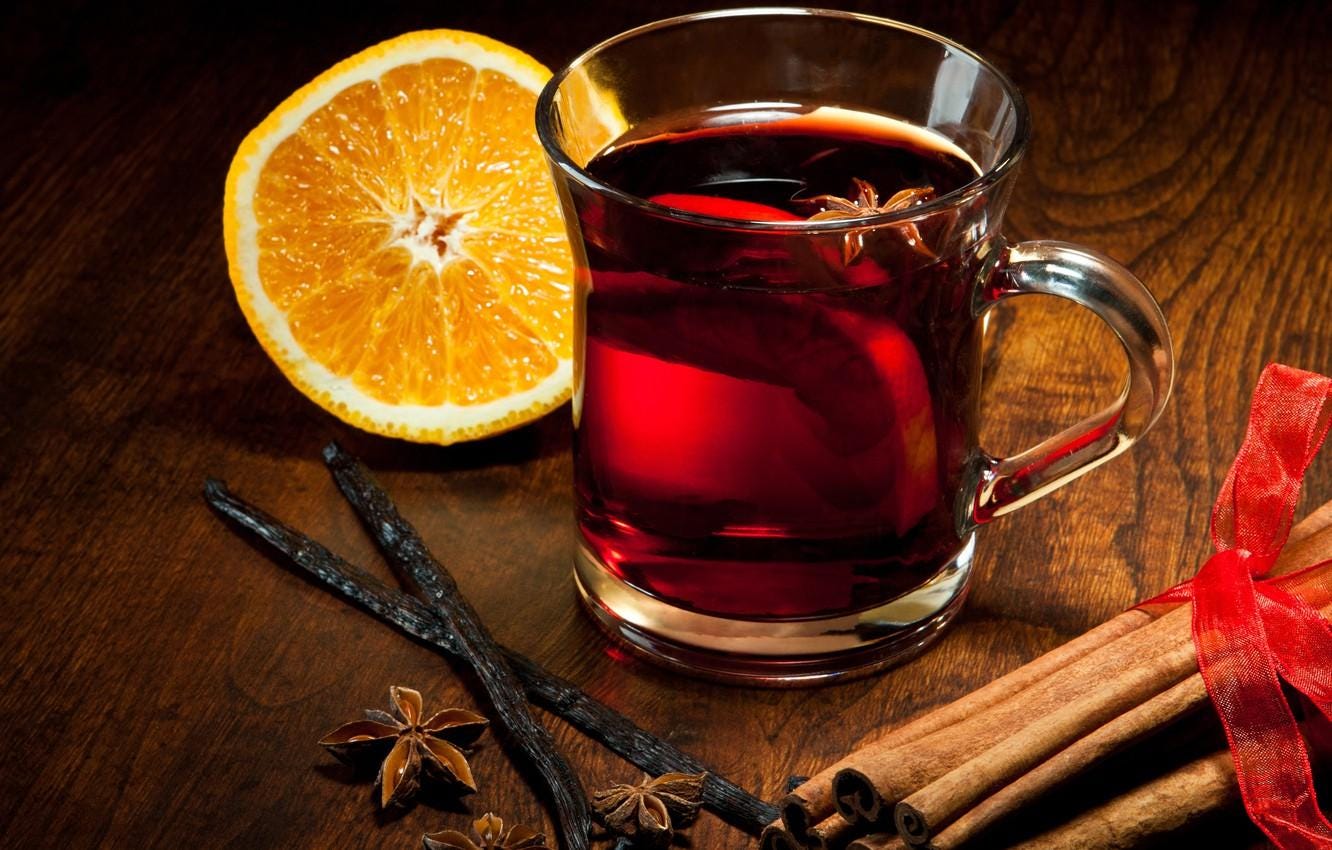
A mulled-wine type hot drink in A Christmas Carol and Our Mutual Friend. Made of port wine mixed with hot water, lemon peel, cinnamon, allspice, and a lump of sugar. A favorite of Fezziwig.
APPLES À LA PRINCESSE
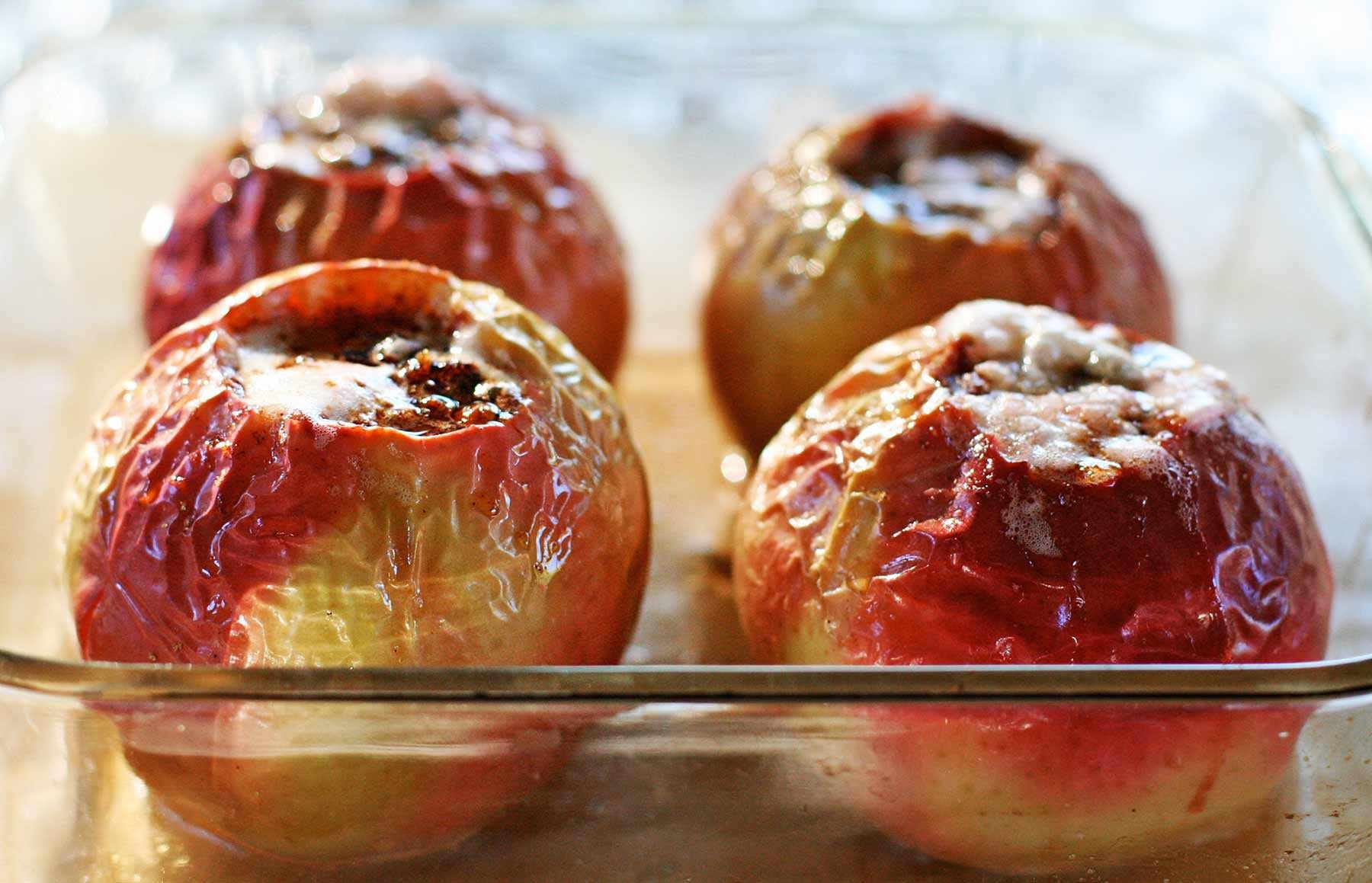
The recipe for these cored apples stuffed with brown sugar and lemon peel can be found in Dickens' Household Words. Baked while swimming in sherry and water. Once removed from the oven, an apricot marmalade is poured into the cavity.
Charles loved apples not only for his health but swore they kept his head from swimming after long voyages across the Atlantic.
THE LONDON PARTICULAR
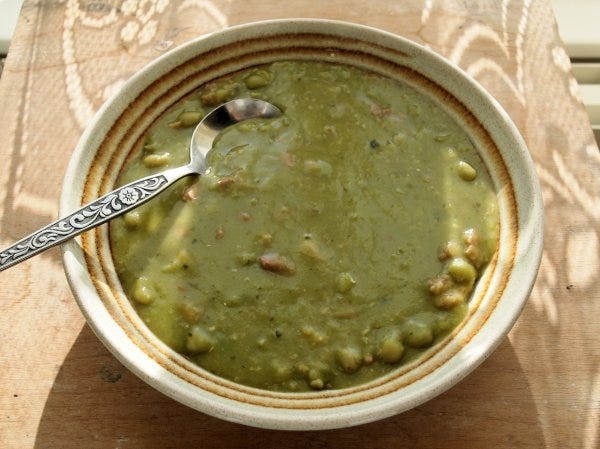
“This, is a London Particular. A fog Miss,” Mr Guppy tells Miss Summerson in Bleak House. Although ham and pea soup is not referred to in the novel, this British soup is named after the yellow green color of the London fog described by Dickens as being “particular.”
SYLLABUB
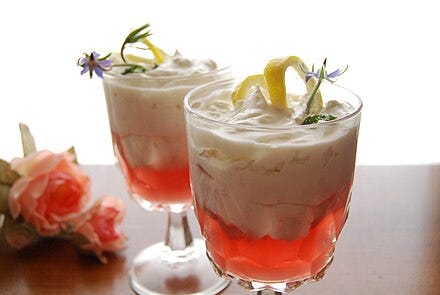
“My sister came running to me in the store-room with her face as White as a Whipt syllabub.”
As referenced in the unfinished novel Leslie Castle by Jane Austen. The syllabub was a popular refreshment from the 16th to 19th centuries in Great Britain. A curdling of sweet cream with sweet white wine or cider.
FRUMENTY
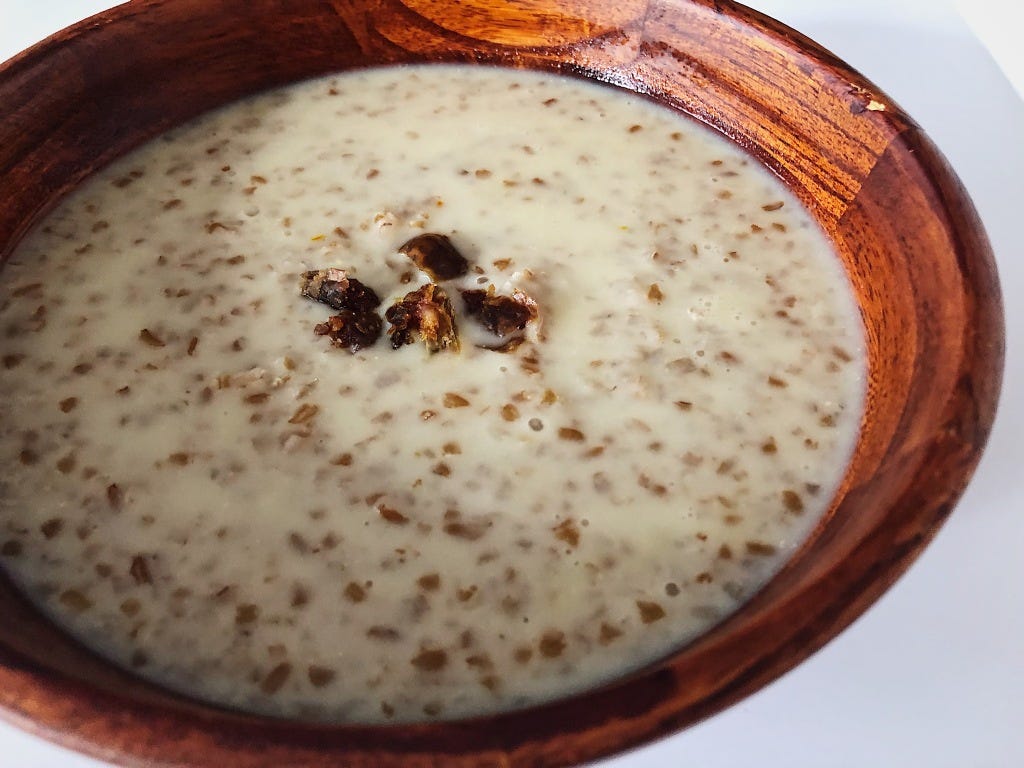
Adding a shot of rum in the “furmity” may have been the underdone potato in Scrooge’s theory which induced the selling of a wife and daughter and the ruination of The Mayor of Casterbridge.
COW-HEEL STEW
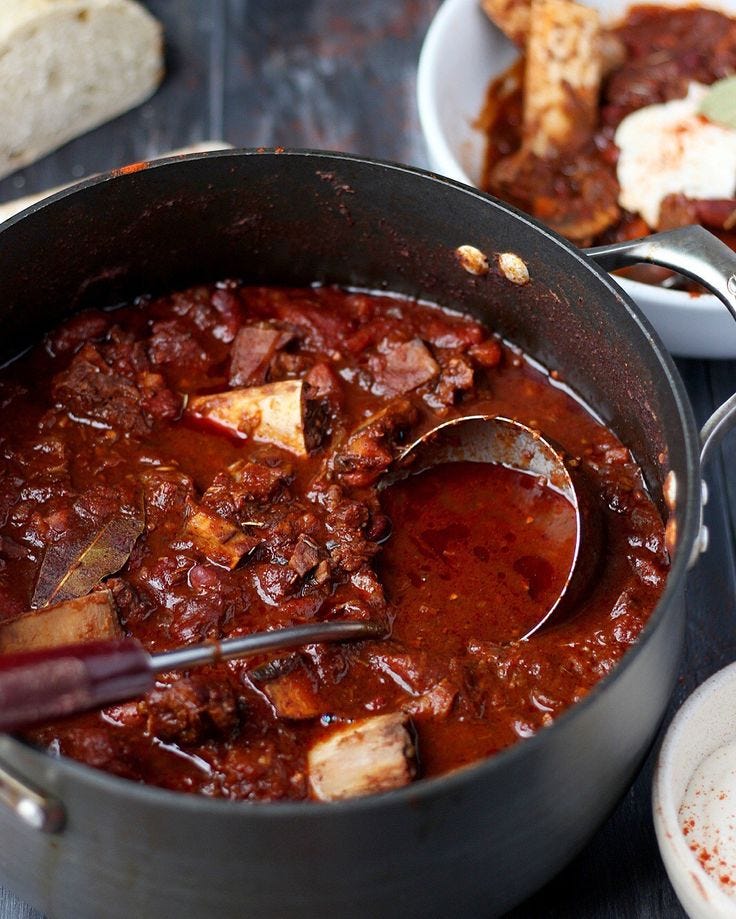
At The Jolly Sandboys, a roadside inn, Nell and her papaw (of The Old Curiosity Shop) partake of this stew made of cow-heel, steak, tripe, peas, potatoes, asparagus, and cauliflower. The name of the establishment harkens back to the phrase "as happy as a sandboy," which refers to the historical practice where sandboys, who delivered sand for floor covering, were often paid partly in ale, leading to their reputed happiness or jollity.
BATTER-PUDDING
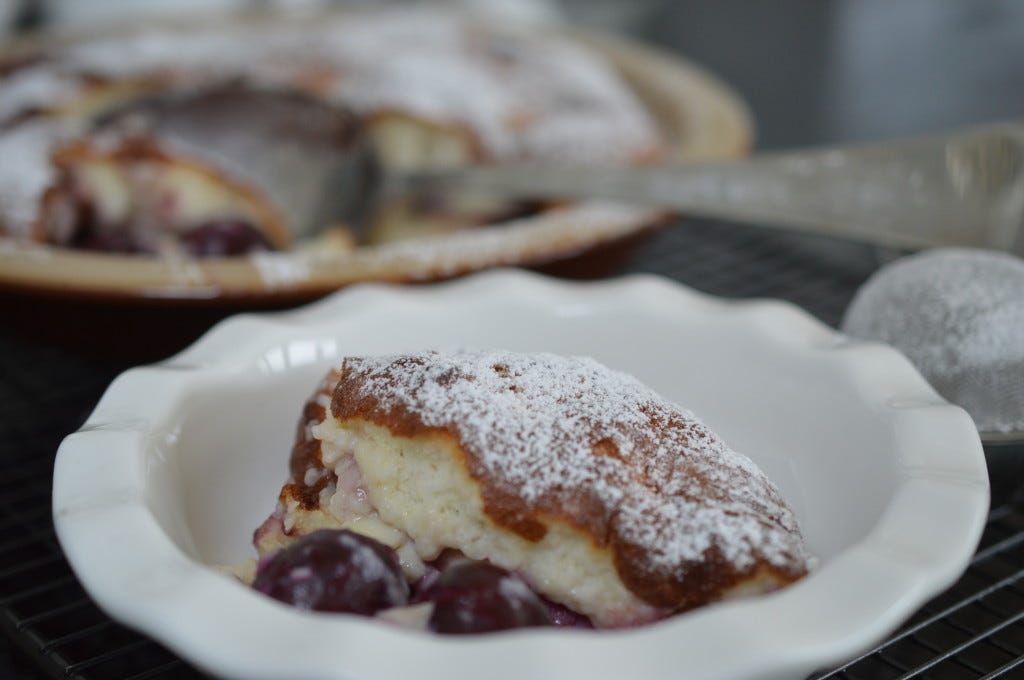
Young David Copperfield’s waiter challenges him to see who can eat most of this dessert. The waiter gets the most of the delicacy (just as he had done with the boy’s ale and chops).
“I was left far behind at the first mouthful, and had no chance with him. I never saw anyone enjoy a pudding so much, I think; and he laughed, when it was all gone, as if his enjoyment of it lasted still.”